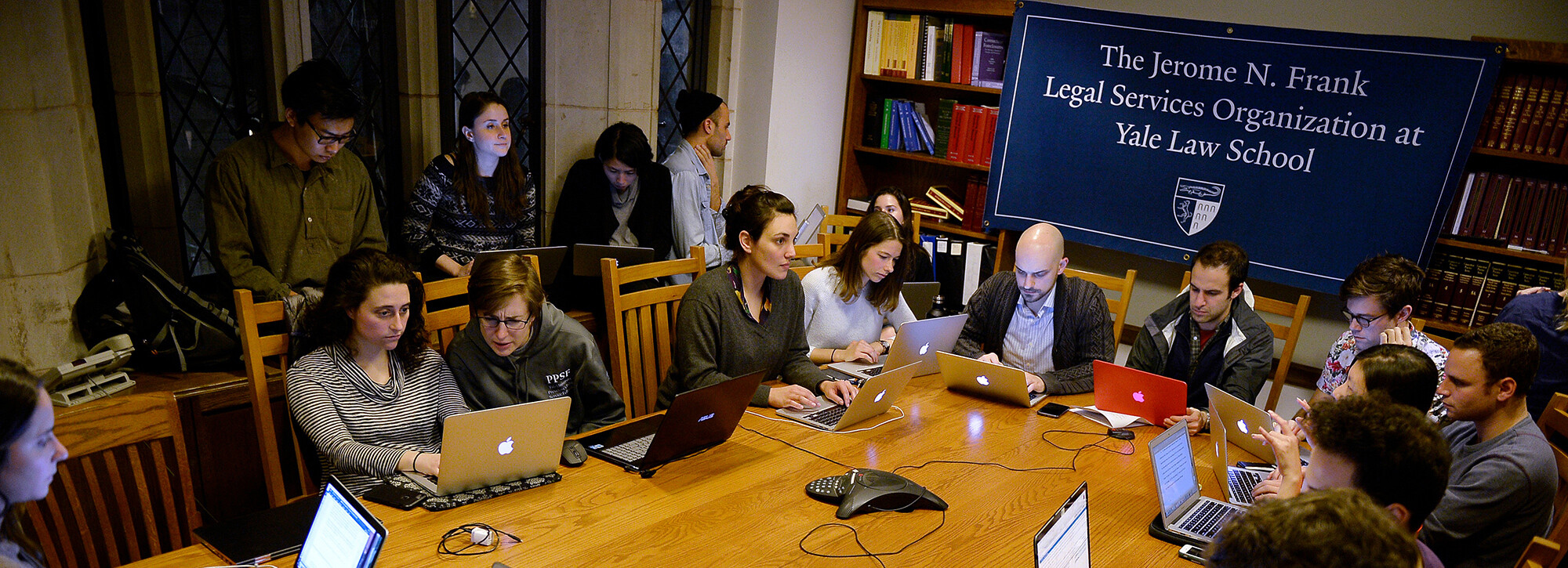
Yale Law School has one of the most robust clinical programs in the country
A Robust and Unique Clinical Program
Yale Law School has one of the most robust clinical programs in the country. Unlike most other schools, students can begin taking clinics—and appearing in court—during the spring of their first year. Clinic students represent real clients with real legal problems (not in simulations or role-playing exercises), and are supervised by senior faculty members, with whom they often develop close and lasting mentoring relationships.
Opportunities abound in the Jerome N. Frank Legal Services Organization—a single law firm that currently houses nine clinics, including the Samuel Jacobs Criminal Justice Clinic1 and the Ludwig Center for Community and Economic Development2. In addition to the complete list of clinics and projects, a number of other centers and programs also offer experiential learning opportunities. Simulation courses are also offered in such areas as Appellate Advocacy, Corporate Crisis Management, and Negotiating and Drafting M&A Agreements.
30+
clinics
90%
of students participate in clinics
24
centers
12
workshops
Clinic News

News
Entrepreneurship Clinic Sets the Stage for Innovative Ventures
The Entrepreneurship & Innovation Clinic helps startups succeed while giving law students an edge in transactional law.


Service Matters: How Yale Law School Clinics Change the World
Read a feature story about how Yale Law School clinics are rooted in a tradition of public service, bolstered by passion and intellectual insight, and tackle issues at the local, national, and international level.
Student & Alumni Profile Videos


Ways to Engage
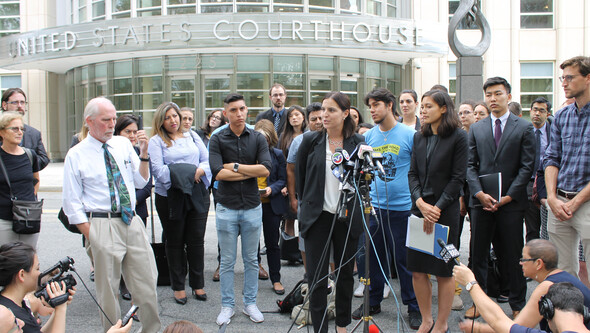
Our Clinics
Yale Law School offers more than 30 clinics that provide students with hands-on, practical experience in the law on a diverse range of subject matters.
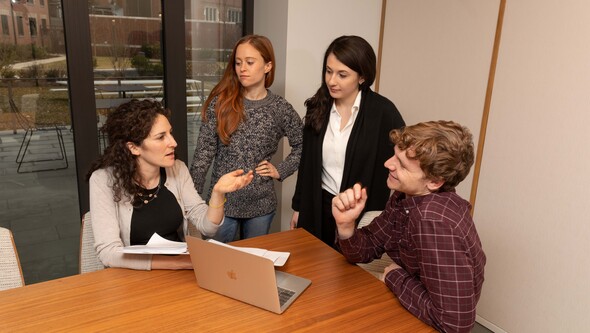
Simulation
Yale Law School offers a suite of innovative simulation courses based on real-world case studies.
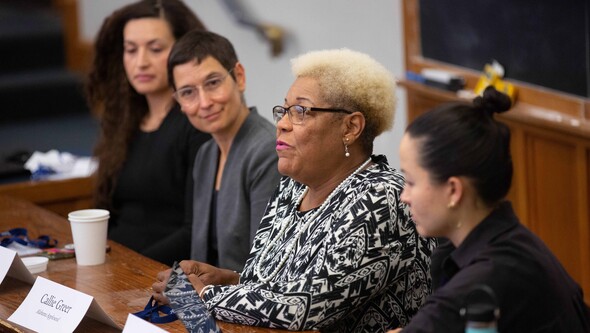
Centers & Workshops
Yale Law School enhances the intellectual life of its academic community by sponsoring a variety of centers, programs, and workshops, inspired by the interests of its faculty and students.