The Arthur Liman Public Interest Program
The Program funds fellowships for Yale Law School graduates to spend a year working on public interest legal issues and funds summer fellowships at the above six universities in social justice law. Yale Law students can assist Fellows in their work through the Liman Project and participate in the Program-sponsored Public Interest Workshop, which meets to discuss emerging issues of theory and advocacy.
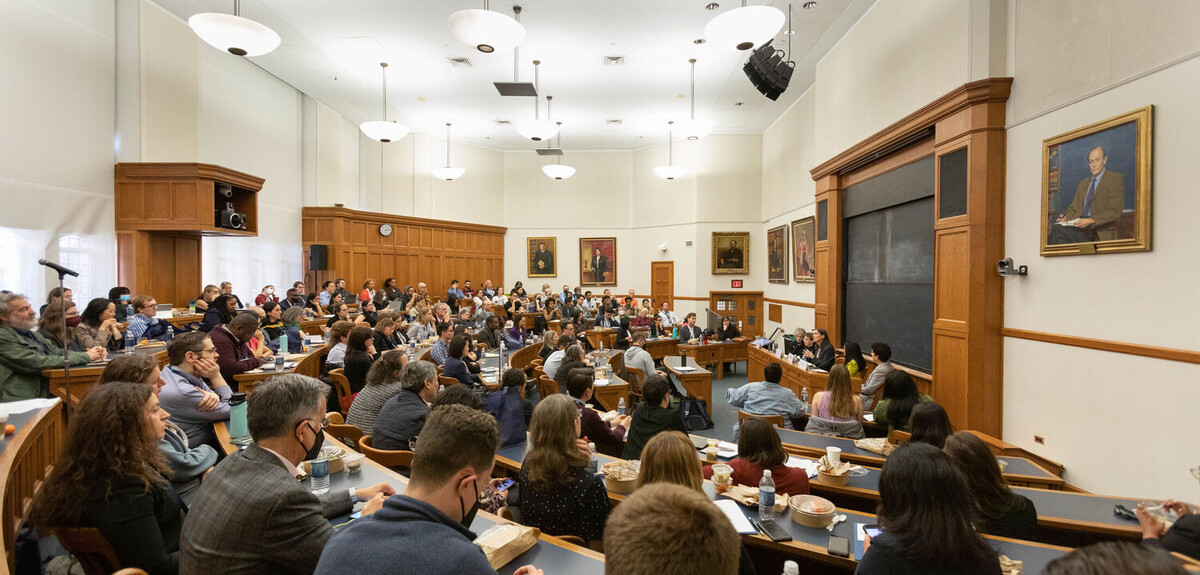
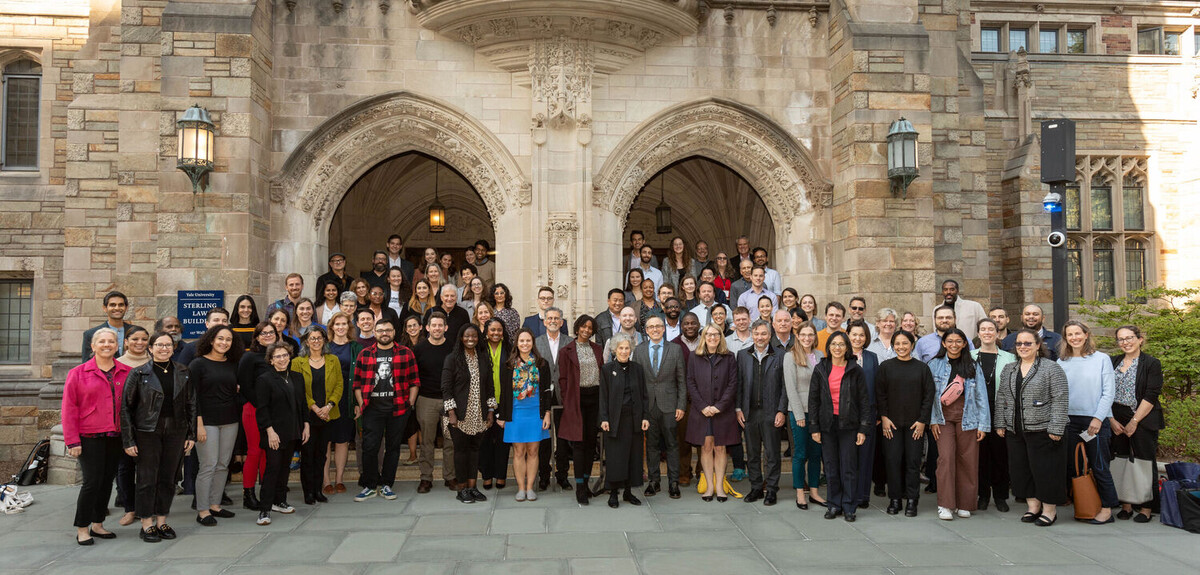
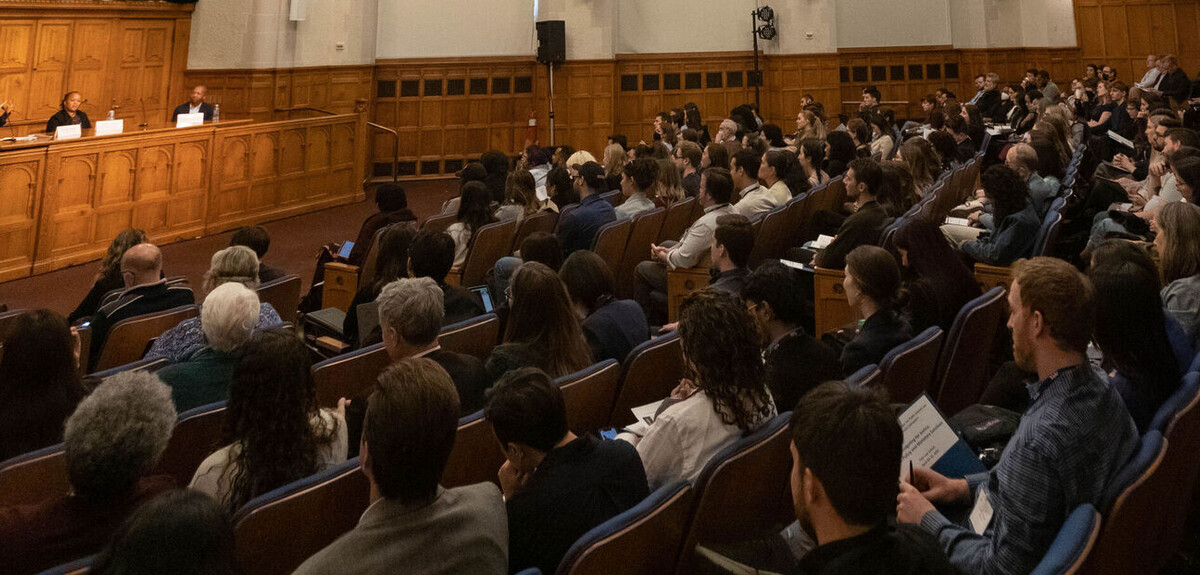
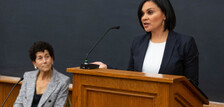
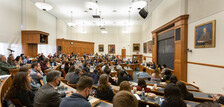
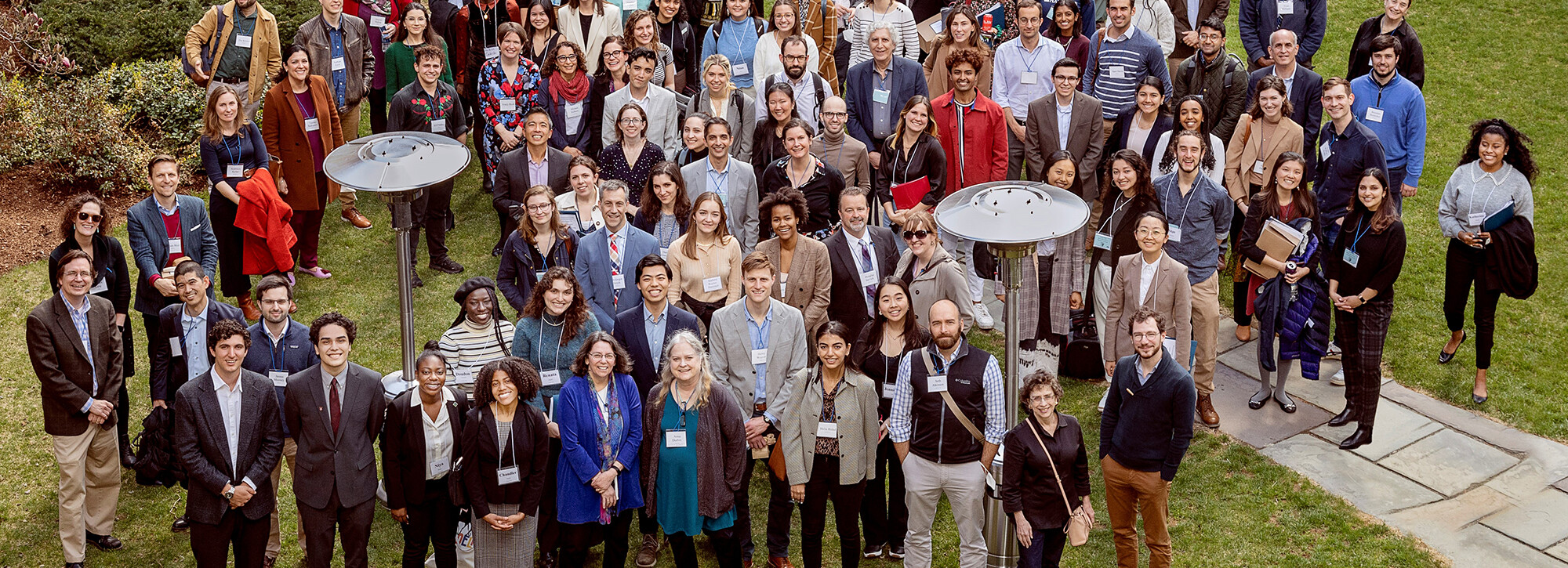
Every year, the Program organizes the Public Interest Law Colloquium, which brings together advocates, scholars, and students from across the country for a two day discussion. The Sixteenth Annual Liman Colloquium, Navigating Boundaries: Immigration and Criminal Law, took place on April 4-5, 2013. Attached are the background readings from each session.
Session I - Profiling and Enforcement
Session II - Accessing Counsel and Courts
Session III - Detention, Households, and Community
Session IV - Migrants and Defendants: 30 Years of Rights Claims
Family Law Handbook
A new publication from the Liman Program's Women, Incarceration & Family Law Project
This handbook addresses custody, child support modification, interactions with foster care agencies, termination of parental rights, and other issues of critical importance to incarcerated parents. It is our hope that this handbook may provide useful information not only to incarcerated parents, but also to legal counsel and other professionals whose work may intersect with the parental status of incarcerated individuals.
____________________________________
The Liman Program has published Uncoupling Pipelines to Prison, a report from a workshop co-sponsored by the American Bar Association and John Jay College of Criminal Justice. In December 2011, a group of approximately forty officials, scholars, and practitioners gathered to discuss the phenomenon commonly referred to as “mass incarceration.”
The conversation focused on three areas, all of which are fueling rising prison populations: (1) over-criminalization through the erosion of intentionality; (2) criminalizing adolescent misbehavior in schools and on the streets; and (3) excessive punishment and control of those convicted of criminal behavior. Participants represented an array of views and included officials from the three branches of state and federal government, criminologists, legal scholars, practitioners, and experts in education, public policy, sociology, and comparative law. Discussions occurred over the course of a day and a half, and materials circulated beforehand enabled participants to develop a shared literature in advance of the sessions.
The report provides several essays by the organizers and a summary of the discussion, including key points of consensus and divergence.